What You Need to Know About Asbestos in Your Home and How Insurance Should Handle It
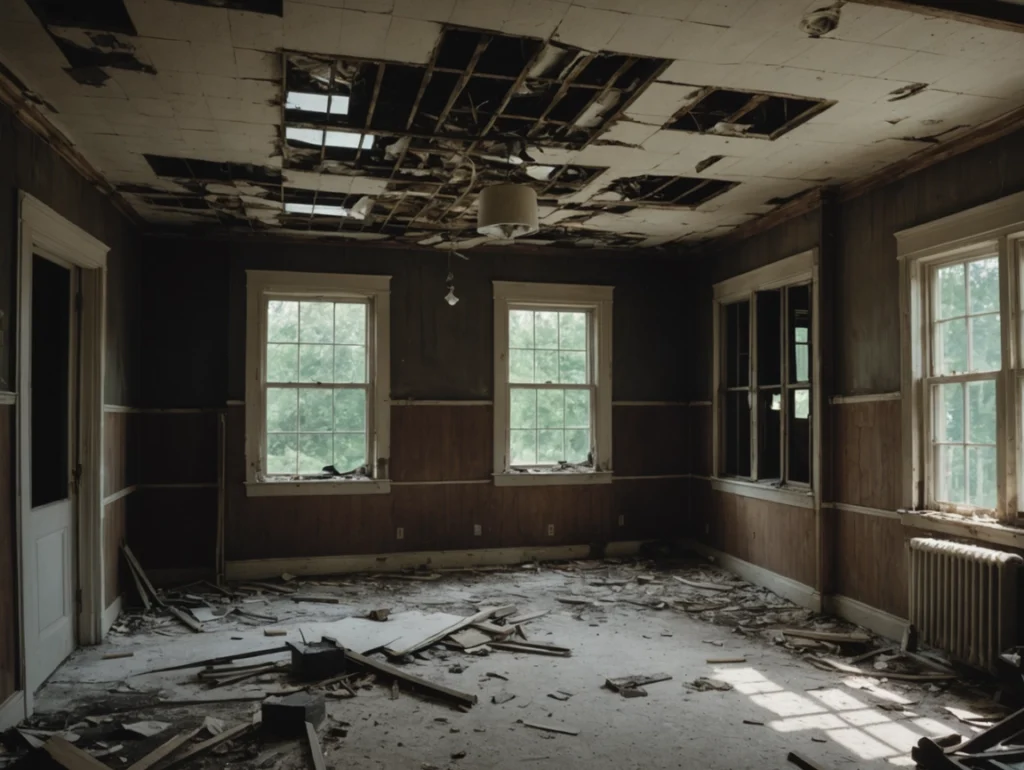
Asbestos is one of the most misunderstood materials found in older homes, especially during repairs after water, fire, or storm damage. While asbestos is harmless when undisturbed, the moment demolition or reconstruction begins, microscopic fibers can be released into the air creating significant health hazards and strict legal requirements for handling it.
Unfortunately, asbestos-related claims are often minimized or underpaid by insurers because testing, abatement, and specialized reconstruction are more expensive than standard repairs.
This guide explains what you need to know before you file a claim, what’s typically covered, and how Elvis ensures your home is restored safely and legally.
Where Asbestos Is Found in Homes
Homes built before 1980 (and sometimes even into the 1990s) often contain asbestos. Common materials include:
Flooring
-
Vinyl tile (9×9, 12×12, 18×18)
-
Sheet vinyl
-
Adhesives and mastics
Drywall & Joint Compound
Especially in pre-1980 construction.
Popcorn Ceilings
Textured ceilings frequently tested positive until the mid-1980s.
Insulation
-
Vermiculite
-
Pipe wrap
-
Attic insulation in older homes
Roofing Materials
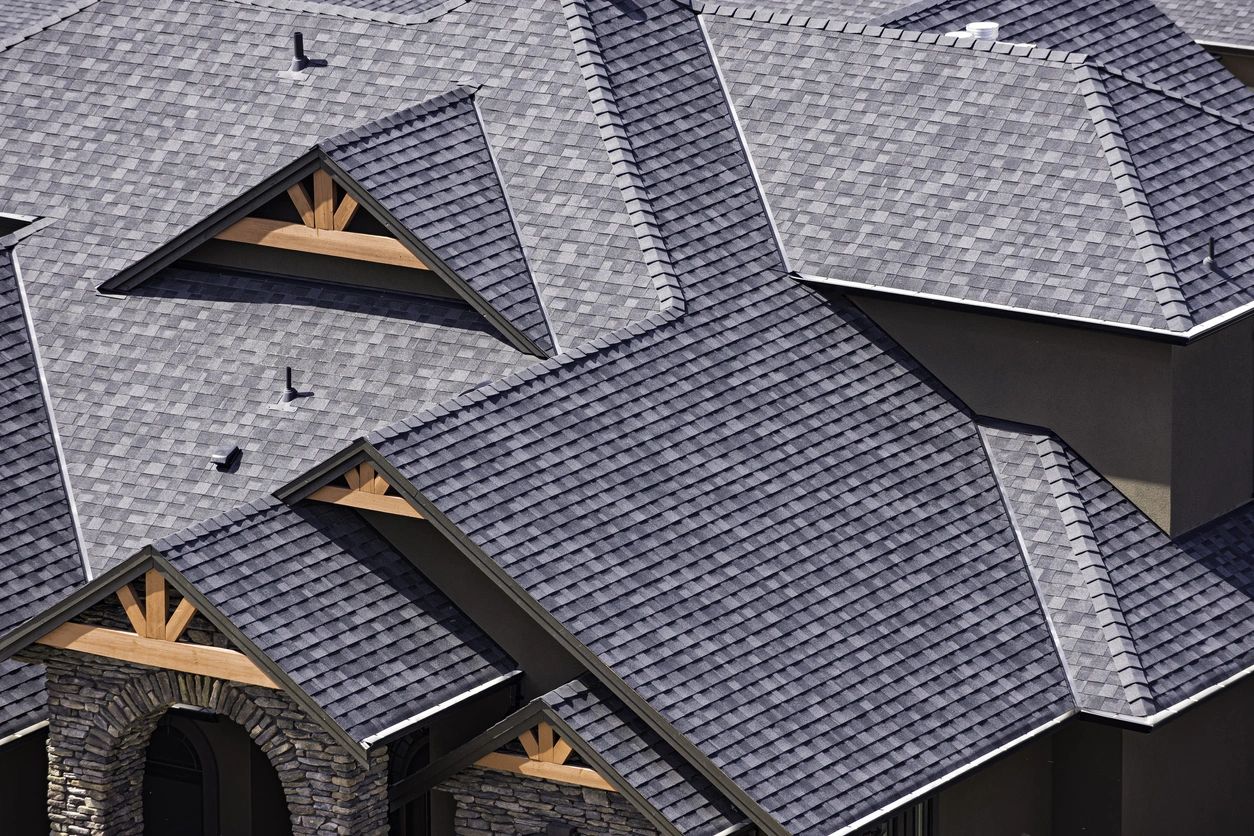
Shingles, felt, siding shingles, and underlayment.
HVAC Insulation & Duct Wrap
Cement Board & Plaster
Asbestos cannot be visually confirmed it must be lab tested through accredited sampling.
When You MUST Test for Asbestos
Testing is critical when:
-
Water-damaged drywall needs removal
-
Flooring must be pulled up
-
Cabinetry is being removed
-
Fire causes smoke or soot damage, requiring demolition
-
Mold remediation requires cutting into walls
-
Roofing materials need replacing
-
HVAC systems or ductwork need cleaning or repair
-
Any demolition, even small patches, is required
Many states require asbestos testing before demolition can legally begin, even for insurance-covered losses.
Why Insurance Companies Often Mishandle Asbestos Claims
Insurance carriers frequently attempt to:
-
Skip testing
-
Perform inspections without sampling
-
Classify asbestos-containing materials as “safe to leave”
-
Pay for standard labor instead of specialized abatement
-
Deny the need for containment and negative air systems
-
Limit reconstruction costs after abatement
This is because proper asbestos abatement can significantly increase the claim value and insurers want to minimize payouts.
Elvis ensures testing, removal, and reconstruction meet all state and federal regulations.
What You MUST Document Before Filing a Claim
Documentation protects your claim and prevents the insurer from refusing asbestos coverage.
Photos of damaged materials
Drywall, flooring, ceilings, insulation, roofing, etc.
A timeline of when damage occurred
Especially important for water and mold-related losses.
Mitigation reports
If materials were already disturbed due to water mitigation or mold remediation.
Pre-mitigation photos
Before walls or floors were opened.
Lab test results
These create undeniable evidence.
Any contractor or restoration company notes
They often warn about potential asbestos before sampling.
What’s Typically Covered Under Most Policies
When asbestos-containing materials are damaged by a covered loss, insurance usually covers:
Asbestos Testing
Initial samples and any follow-up confirmation testing.
Full Asbestos Abatement
This includes:
-
Regulated containment
-
PPE
-
Negative air pressure systems
-
HEPA filtration
-
Certified abatement labor
-
Proper bagging and disposal
-
Post-clearance air testing
Rebuild After Abatement
Insurers must pay to replace the materials removed during abatement, including:
-
New drywall
-
New flooring
-
New insulation
-
New ceilings or textures
-
New cabinets or trim (if removed)
Additional Living Expenses (ALE)
If the home is unsafe or uninhabitable during abatement.
HVAC Cleaning or Replacement
If fibers entered the system.
What’s Often NOT Covered And Why
Insurance companies commonly push for exclusions such as:
Asbestos not damaged by the covered loss
If asbestos was present but not disturbed.
“Upgrades” or code compliance not triggered by damage
Insurers may try to avoid paying for code-required abatement unless properly argued.
Poor documentation or unproven cause-of-loss
Long-term deterioration
If the insurer claims the material was damaged over time.
Pre-existing asbestos removal unrelated to the loss
These exclusions can often be challenged when the claim is documented correctly.
When You Should Absolutely Call Elvis
You should contact Elvis immediately if:
-
Your home was built before 1990
-
Water or fire damage affected drywall, flooring, or ceilings
-
You see old vinyl tiles (especially 9×9)
-
A contractor says “we need testing.”
-
The insurer refuses to test or says it’s “not necessary.”
-
Mold remediation requires wall or ceiling removal
-
Your HVAC system might be contaminated
-
An adjuster tries to pay only for standard demolition
-
The insurer uses testing to minimize the claim
-
The home becomes uninhabitable
Handling asbestos improperly is both unsafe and illegal expertise is essential.
Real Claim Examples
Water Leak → Asbestos Drywall Removal
The insurer wanted to patch the drywall without testing. Testing proved asbestos in the joint compound.
Full regulated abatement + reconstruction was approved.
Fire Damage → Asbestos in Popcorn Ceiling
The insurer attempted surface cleaning only. Evidence showed contamination required removal.
Ceilings were abated and fully replaced.
Flooded Bathroom → Asbestos Flooring
Vinyl tile saturated during plumbing leak. The insurer tried to call the flooring “cleanable.”
Elvis proved it was non-salvageable; abatement and new flooring were covered.
How Elvis Supports You
-
Reviews your policy for asbestos-related provisions
-
Coordinates professional asbestos testing
-
Ensures proper documentation for coverage
-
Challenges insurers who attempt partial or incomplete abatement
-
Ensures rebuild includes all materials removed
-
Protects you from illegal or unsafe demolition
-
Ensures ALE (temporary housing) is included when necessary
-
Oversees the claim from testing through full reconstruction
This is technical work. You shouldn’t be navigating it alone.
Call to Action
Asbestos requires strict safety procedures and insurance companies are known to cut corners. Don’t risk your health or your home.
→ Contact Elvis Before You File
Get the protection you need for safe, compliant, fully covered asbestos abatement.