What’s Covered, What’s Not, and How to Protect an HVAC-Related Property Claim
Your heating, ventilation, and air conditioning (HVAC) system is one of the most expensive and essential components of your home. When it’s damaged by water, smoke, fire, contamination, or electrical issues, the cost to repair or replace it can be significant — and insurance companies often attempt to minimize or deny coverage.
This guide explains how HVAC damage occurs, how to properly document it, and how an Insurance Expert ensures your system is restored safely, correctly, and according to policy standards.
Signs Your HVAC System May Be Damaged
HVAC damage isn’t always obvious. Look for:
Water-Related Signs
-
Moisture inside the air handler
-
Water pooling near the system
-
Rust or corrosion
-
Wet insulation around ductwork
-
Mold growth inside or around vents
-
Musty odors when system runs
Fire, Smoke, or Soot Damage
-
Black residue around vents
-
Persistent smoke odor
-
Discolored filters
-
Soot inside ducts or the air handler
-
Visible dust settling after a fire event
Electrical or Mechanical Issues
-
System not turning on
-
Frequent tripping of breakers
-
Burning or electrical smell
-
Unusual noise or vibration
-
AC freezing up or overheating
Storm or Impact Damage
-
Flooding near outdoor condenser
-
Debris inside the condenser
-
Damaged fan blades or coils
-
Hail dents or damage to housing
If your HVAC system behaves differently after any property damage event, assume it may be affected.
What You MUST Document Before Filing an HVAC Claim
Proper documentation is essential because insurers often default to “repair only” recommendations. Document the following:
Photos of System and Surrounding Damage
Capture:
-
Air handler
-
Condenser unit
-
Filters
-
Ductwork
-
Vents
-
Ceilings/walls affected by water or soot
Evidence of the Loss Event
-
Water intrusion
-
Storm impact
-
Fire or smoke conditions
-
Electrical surge
HVAC Technician or Mitigation Reports (if available)
Especially when they note contamination, moisture, or electrical failure.
Air Quality Issues
Any persistent odor, visible particles, or health symptoms.
Previous System Condition
Photos, invoices, warranties, or maintenance records help combat “pre-existing condition” arguments.
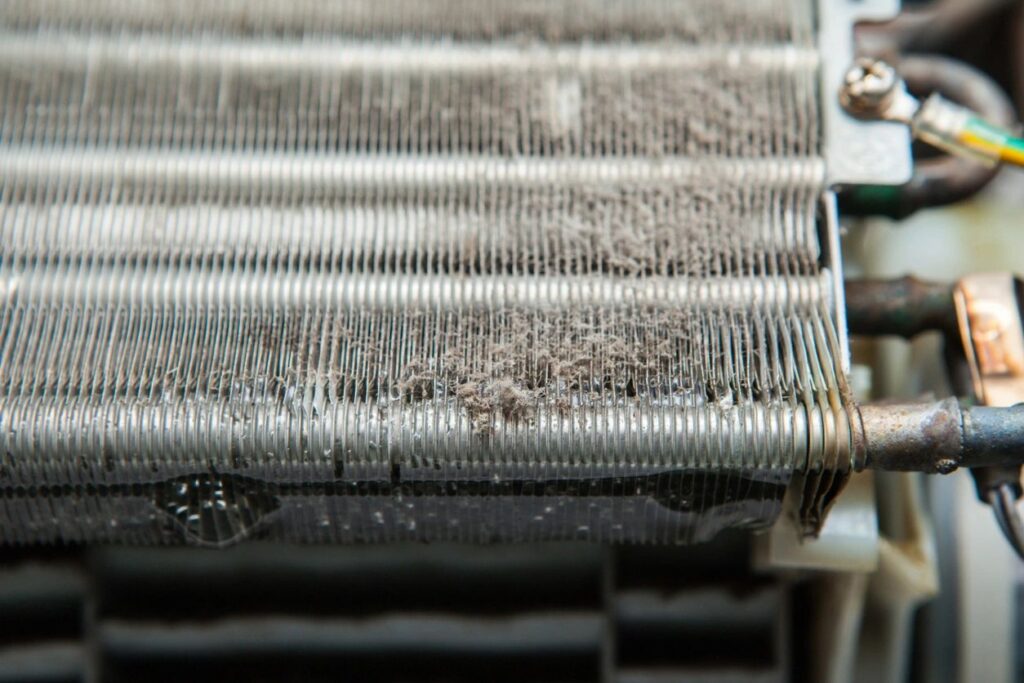
Contaminated Filters
Take close-up photos before throwing them away — they often show soot, debris, or mold.
Common Mistakes That Lead to Denied or Underpaid HVAC Claims
Avoid the big pitfalls:
-
Letting the insurance adjuster inspect without HVAC specialists present
-
Allowing insurers to claim the system is “cleanable” when it’s contaminated
-
Not documenting soot or mold in the ductwork
-
Letting the insurer test airflow instead of air quality
-
Throwing away filters or damaged parts
-
Allowing partial duct cleaning when full cleaning is required
-
Not documenting water exposure to electrical components
-
Failing to establish the cause-of-loss
HVAC systems are extremely sensitive — even minor contamination can require full replacement.
What’s Typically Covered Under Most Policies
Coverage depends on the cause-of-loss, but insurers commonly cover:
Smoke & Soot Contamination
If soot enters the HVAC system after a fire or smoke event, insurers must cover cleaning or replacement.
Water Damage
Water affecting the air handler, ducts, insulation, or electrical components.
Mechanical Failure Caused by a Covered Event
Electrical surges from storms or fire-related failures.
Mold Remediation (When Caused by a Covered Water Loss)
Including:
-
Duct cleaning
-
Removal of contaminated insulation
-
Antimicrobial treatment
Replacement of Non-Salvageable Components
Such as:
-
Air handlers
-
Coils
-
Condenser
-
Ductwork
-
Blower motors
-
Control boards
✔ Additional Living Expenses (ALE)
If the home is unsafe or uninhabitable due to air quality concerns.
What’s Often NOT Covered — And Why
Insurance companies commonly deny or restrict coverage for:
Normal Wear and Tear
Old systems, corrosion, or pre-existing issues.
Lack of Maintenance
Dirty filters, old refrigerant leaks, or neglected coils.
Mechanical breakdown not caused by a covered loss
Home warranties often cover this, not insurance.
Upgrades or New System Efficiency Improvements
Unless required by code or because the older system is discontinued.
Mold Caps
Policies may strictly limit mold-related HVAC claims unless caused by a covered event.
An Insurance Expert helps categorize damage correctly to avoid these traps.
When You Should Absolutely Call an Insurance Expert
You should contact your Insurance Expert immediately if:
-
Your HVAC system was exposed to water
-
You have soot or smoke anywhere in the home
-
The adjuster claims it’s “cleanable”
-
Air quality has worsened
-
You smell mold or smoke when the system runs
-
A mitigation company found moisture in ductwork
-
The system fails after a fire or storm
-
Ductwork insulation is wet
-
Filters show contamination
-
The insurer wants to clean instead of replace
-
A contractor says the system is unsafe
HVAC systems affect every room of the home — improper handling can jeopardize health and safety.
Real Claim Examples
Smoke Damage → Full System Replacement
Insurance suggested duct cleaning only. Expert documented soot inside the air handler and duct insulation.
Full replacement approved.
Water Leak Above HVAC Closet
Insurer attempted to repair only drywall. Moisture readings showed water inside the air handler cabinet.
System replacement + duct cleaning covered.
Electrical Surge During Storm
Compressor and control board failed. Insurer initially blamed wear and tear. Expert established storm-related surge.
Full unit replacement paid.
How the Insurance Expert Supports Your HVAC Claim
Your Insurance Expert:
-
Reviews and interprets policy coverage
-
Coordinates HVAC inspections
-
Documents contamination and mechanical failure
-
Differentiates storm/fire/water damage from wear and tear
-
Challenges “repair-only” determinations
-
Ensures full duct cleaning or replacement
-
Advocates for system replacement when required
-
Confirms code upgrades and SEER rating requirements
-
Protects your air quality and home safety
-
Prepares accurate repair/replacement estimates
Most homeowners don’t know how insurers evaluate HVAC systems — but your Expert does.
Call to Action
Air quality and safety matter — and HVAC claims can be complex and expensive. Don’t leave your home’s most important system in the hands of the insurance company.
→ Contact Elvis Before You File
Get clear answers, proper documentation, and full protection for your claim.