
How Property Damage Can Affect Your Health and What Your Insurance Should Cover
When property damage occurs, many homeowners focus only on the visible repairs. But water intrusion, fire residue, mold, and contaminated materials can have serious health impacts if not appropriately handled. Insurance companies often minimize these issues by calling them “cosmetic,” “cleanable,” or “pre-existing,” leaving families at risk.
This guide explains how different types of damage affect indoor air quality, what symptoms to look out for, and what steps you should take before filing a claim to protect your health and your home.
How Property Damage Can Affect Your Health
Different types of losses create different risks. Common health hazards include:
• Mold Spores
Detected after water leaks or high humidity. Can cause:
– Headaches
– Allergies
– Sinus infections
– Fatigue
– Respiratory issues
• Fire Smoke & Soot
Lingering after fires, grease fires, or electrical issues. Can cause:
– Asthma flare-ups
– Coughing/sore throat
– Burning eyes
– Persistent odor exposure
– Carcinogenic residue
• Contaminated Water (Category 2 & 3)
From sewage backups, toilet overflows, stormwater contamination. Risks include:
– Skin irritation
– Bacterial infections
– Gastrointestinal illness
• Asbestos & Lead (in older homes)
Disturbance spreads microscopic fibers that can cause long-term health conditions if inhaled.
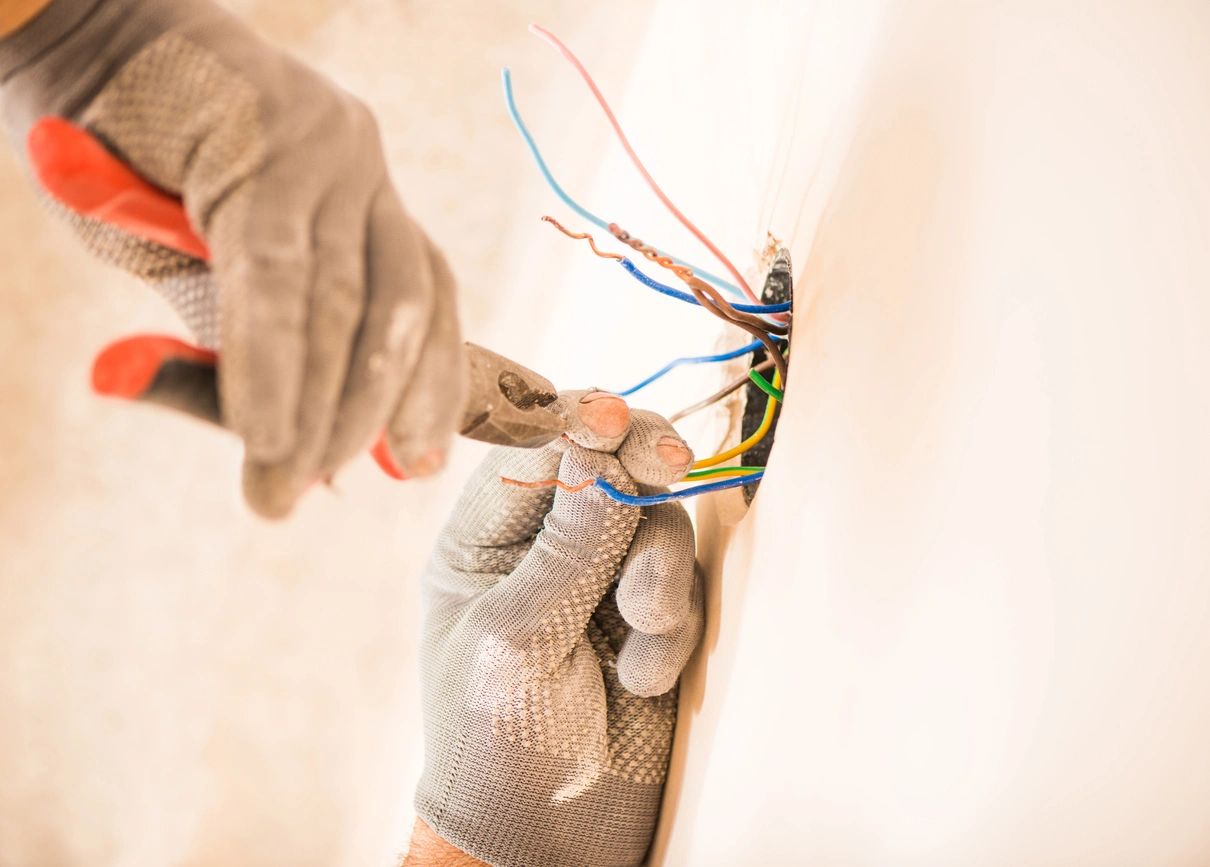
• Electrical Fires or Malfunctions
Burning insulation or wiring emits chemical fumes.
If you notice unusual symptoms during or after damage, document them and avoid the affected area until mitigated.
Early Signs of a Health-Hazardous Environment
These signs mean damage is actively affecting indoor air quality:
-
Musty odor in rooms or closets
-
Persistent coughing or sinus issues
-
Dark staining or soot on walls/vents
-
Damp carpeting or warped floors
-
Visible mold, even small spots
-
Backed-up drains or sewage odors
-
Electrical burning smell
-
Excessive dust after a fire
-
Condensation on windows or walls
-
High humidity or “heavy” air feeling
If you notice any of these, treat it as a potential health risk.
Critical Documentation Before You Call Your Insurance Company
This step is extremely important.
Health-related claims are often contested because insurers argue the damage is “minor” or “cosmetic.” These items help protect your claim:
Photos & Videos of the Condition
Walls, ceilings, ducts, vents, flooring, furniture, and personal items.
Moisture or Air Quality Reports
Mitigation companies or indoor air specialists can provide readings.
Documentation of Odors or Symptoms
You don’t need a doctor’s note, your notes help build the initial timeline.
HVAC Filter Photos (Before & After)
Filters often show soot, mold, or particulate contamination.
Any Professional Recommendations
Restoration company notes, electrician warnings, or HVAC technician reports.
Samples or Swabs (if applicable)
Mold samples, air quality tests, or soot wipe tests can be extremely valuable.
The stronger your documentation, the harder it is for the insurance company to minimize the hazard.
Common Insurance Company Tactics to Downplay Health Issues
When health risks are involved, insurers tend to:
-
Label soot as “light dust” or “cleanable residue”
-
Claim mold is due to “poor ventilation” or “homeowner neglect”
-
Try to apply the mold cap even when mold is CAUSED by a covered water loss
-
Treat contaminated water as clean water loss
-
Offer surface-level cleaning instead of full remediation
-
Deny HVAC cleaning or replacement
-
Avoid paying for temporary housing (ALE) even when staying home is unsafe
Elvis can push back with evidence and policy language to protect your rights.
What’s Typically Covered Under Most Policies
Depending on policy language, coverage may include:
Mold Remediation (when caused by a covered water loss)
Drywall removal, insulation replacement, antimicrobial treatment.
Smoke & Soot Cleaning
HEPA vacuuming, chemical sponging, deodorization, HVAC cleaning.
Water Mitigation for Contaminated Water
Extraction, sanitization, removal of porous materials.
Temporary Housing (ALE)
Hotel or rental coverage when the home is unsafe.
Structural & Material Replacement
New drywall, flooring, cabinets, insulation, and damaged framing.
HVAC Cleaning or Replacement
If contamination spreads through the system.
Personal Property Cleaning or Replacement
Clothing, furniture, and electronics are affected by mold or soot.
These items depend heavily on documentation and timeline, which Elvis helps establish.
What’s Often NOT Covered And Why
Many policies exclude:
Long-term mold growth
If the insurer claims it happened slowly, they may deny it.
Maintenance-related issues
Poor ventilation, unclean filters, or “humidity” arguments.
Mold caused by unrepaired leaks
If the homeowner waited too long.
Cleaning methods not approved by the insurer
Insurers often restrict remediation types.
Damage that predates the policy
A common argument in homes over 15–20 years old.
These exclusions are often disputable with proper evidence.
When You Should Absolutely Call Elvis
Contact Elvis immediately if:
-
You see or smell mold
-
Smoke or soot is visible after a fire
-
You can’t live safely in the home
-
Air feels heavy, humid, or irritating
-
A restoration company gives conflicting advice
-
Water came from a contaminated source
-
You have children, elderly family, or pets in the home
-
The adjuster says “this is cosmetic only”
-
You’re being pressured into minimal cleaning
-
HVAC contamination is suspected
Your health comes first, and the proper documentation makes sure insurance covers what it should.
Real Claim Examples
Mold From a Plumbing Leak: Full Remediation Approved
Insurance tried to apply the mold cap. Elvis proved the mold resulted from a covered sudden leak, not neglect. Full remediation and rebuild were covered.
Fire Residue: Insurer Offered Surface Cleaning Only
Soot had spread into HVAC and ductwork. After detailed documentation, the insurer approved full home cleaning and deodorization.
Contaminated Water Backup: Hotel Stay Covered
The insurer initially denied ALE. After evidence was provided showing the home was unsanitary, temporary housing was approved.
How an Insurance Expert Protects Your Health and Claim
-
Reviews your policy for full coverage options
-
Identifies hidden health hazards
-
Coordinates testing and inspections
-
Documents contamination thoroughly
-
Challenges to “cosmetic” classifications
-
Ensures proper mitigation and remediation
-
Protects your right to temporary housing
-
Prepares estimates for full repair scope
-
Holds insurers accountable for safety requirements
This is the support homeowners rarely get but absolutely need.
Your health is not negotiable. If your home has mold, soot, contaminated water, or air quality issues, get expert guidance before speaking with insurance.
→ Contact Elvis Before You File