
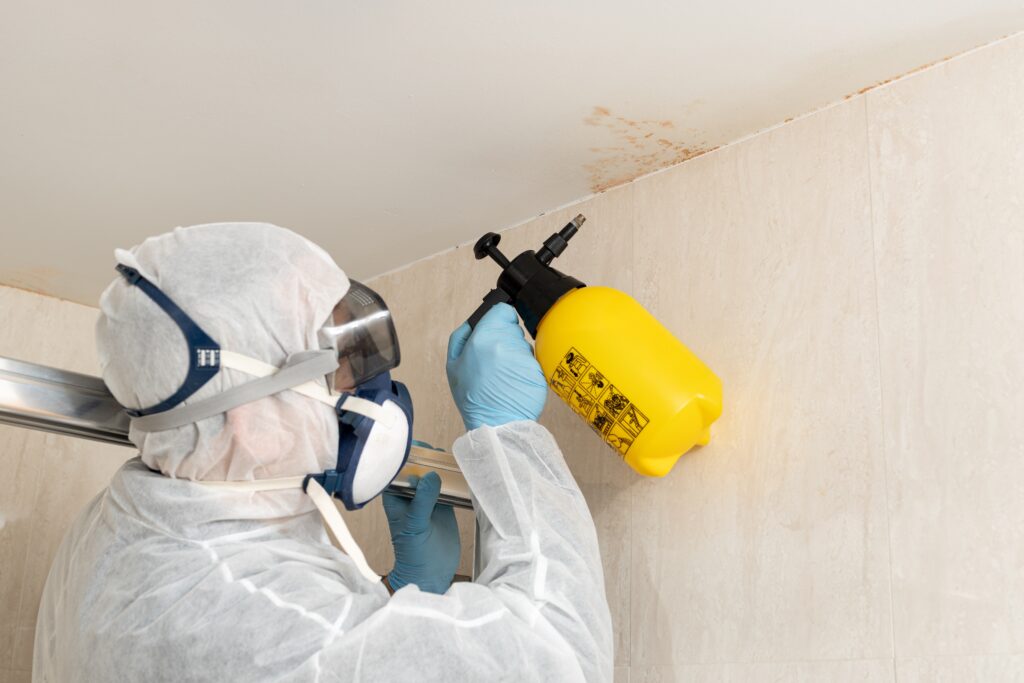
What’s Covered, What’s Not, and How to Protect a Mold-Related Insurance Claim
Mold and fungus are some of the most stressful issues a homeowner can face and unfortunately, they’re also among the most commonly disputed or denied insurance claims. Mold grows quickly, spreads invisibly through walls and air systems, and can cause significant health concerns if ignored or improperly cleaned.
Insurance companies often try to classify mold as “long-term,” “humidity-related,” or “maintenance issues,” even when the mold was clearly caused by a sudden and accidental water loss.
This guide helps you understand when mold is covered, how to document it properly, and how to avoid the mistakes that let insurers minimize or deny your claim.
Early Warning Signs of Mold or Fungus Growth
Mold often appears after plumbing leaks, roof damage, HVAC issues, or improper dry-out. Watch for:
Musty or earthy odor
Discoloration on walls, ceilings, or baseboards
Warped drywall or bubbling paint
Black, green, brown, or white spotting
Soft or moist drywall
High humidity or condensation on windows
Recurring sinus issues or headaches
Visible growth under sinks, behind appliances, or in closets
Water damage that wasn’t dried within 24–48 hours
If you see mold, assume it has spread beyond what’s visible.
What You MUST Document Before Filing a Mold Claim
Mold claims rely heavily on proof of cause, not just proof of mold. To protect your claim, you must document both.
Document the Original Water Source
Examples:
Burst pipe
Roof leak
Failed appliance
Overflow
HVAC condensation leak
Take photos before removing anything.
Photograph All Visible Mold
Capture:
Close-ups
Wide shots
Adjacent rooms
Ceiling/wall corners
Behind or under furniture
Inside cabinets
Keep Damaged Materials
Insurance companies often demand inspection of:
Wet drywall
Baseboards
Insulation
Flooring
Do NOT dispose of these items until advised.
Record Indoor Conditions
Moisture meter readings
Humidity levels
Temperature
Any dehumidifiers or fans running
Save Mitigation Reports
Water mitigation documentation can make or break a mold claim.
Log the Timeline
Write down:
When you discovered moisture or mold
When mitigation began
When the area was exposed or opened
Timelines are crucial because mold grows fast and insurers often use this against homeowners.
Common Mistakes That Lead to Mold Claim Denials
Mold is one of the easiest claims for insurance companies to deny if documentation is weak. Avoid:
Calling the insurance company before documenting the water source
Not proving the mold resulted from a sudden event
Throwing away wet materials before an inspection
Letting the insurer apply the “mold cap” when it shouldn’t apply
Failing to mitigate quickly
Allowing surface cleaning only
Not opening walls to show hidden growth
Letting the insurer label it “long-term seepage”
Elvis can walk you through each step correctly.
What’s Typically Covered Under Most Policies
Mold coverage depends heavily on what caused the mold. Most policies cover:
Mold Caused by Sudden and Accidental Water Damage
Burst pipes
Broken supply lines
Toilet tank failures
Sudden appliance failures
Roof leaks from storms
Overflowing tubs, sinks, or washing machines
Resulting Mold Remediation
Removal of contaminated drywall
Removal of wet insulation
HEPA vacuuming
Antimicrobial treatment
Negative air pressure containment
Proper disposal of contaminated materials
Water Mitigation and Dry-Out Services
Limited Mold Coverage Add-Ons
Some policies offer additional mold endorsements for expanded coverage.
Personal Property Cleaning or Replacement
If contamination spread to clothing, upholstery, or belongings.
Alternative Living Expenses (ALE)
If the home is unsafe during mold remediation.
What’s Often NOT Covered And Why
Insurance companies frequently deny mold claims based on:
Long-Term Leaks or Seepage
If the adjuster believes the leak happened over weeks or months.
Humidity or Ventilation Issues
Common argument used in bathrooms and crawlspaces.
Mold From Maintenance Failures
Improper caulking, poor roof upkeep, or ignored repairs.
✘ Mold Caps (low limits)
Some policies set a strict dollar cap for mold, regardless of cause.
Cleaning or Testing Not Approved by the Insurer
Mold Unrelated to a Covered Water Loss
Such as ground water, neglect, or condensation.
Elvis’s job is to challenge misapplied exclusions and prove true cause-of-loss.
When You Should Absolutely Call an Insurance Expert
Mold claims escalate fast and get denied even faster. Call Elvis if:
Mold appeared after a sudden leak
You see mold in multiple rooms
You smell musty odors but don’t see growth
Insurance is calling it “long-term seepage”
There’s mold inside HVAC systems or vents
Your policy has a mold cap
A contractor or mitigation company disagrees with the adjuster
You suspect attic or crawlspace mold
Water penetrated walls for more than 24 hours
You have young children, elderly family, or pets at home
Mold is a health hazard first and an insurance fight second.
Real Claim Examples
Plumbing Leak → Mold Behind Cabinets
Insurer blamed “humidity.” Expert documented the source, timeline, and moisture readings. Full remediation approved.
Storm Damage → Roof Leak → Mold in Attic
Insurer tried to attribute mold to poor ventilation. Evidence showed the mold followed the storm entry path.
Full attic remediation + repairs were covered.
Failed A/C Condensation Line
Hidden mold spread into two bedrooms. Insurer offered minimal payment. Expert proved saturation and structural impact, tripling the payout.
How Elvis Helps With Mold Claims
Identifies the true cause of mold
Documents contamination professionally
Coordinates air quality tests (if needed)
Separates covered water damage from “mold cap” issues
Ensures proper tear-out and remediation
Challenges lowball or cosmetic-only repair scopes
Confirms structural materials are safe and dry
Verifies HVAC contamination and duct cleaning needs
Protects your right to safe living conditions (ALE)
Prepares full Xactimate estimates for rebuild
This isn’t just about repairs, it’s about your safety and long-term protection.
Call to Action
Mold spreads fast and insurers move faster to minimize its importance. Don’t risk your home or your health.
→ Contact Elvis Before You File
Get clear guidance, strong documentation, and protection from day one.