PLUMBING LEAKS
What’s Covered, What’s Not, and How to Protect Your Insurance Claim
Plumbing leaks are one of the most common and most misunderstood property damage claims. Whether it’s a sudden pipe burst, a failed supply line, or hidden water behind walls, the way you handle the first steps will determine whether your claim is paid fully, partially, or denied entirely.
Insurance companies often attempt to classify leaks as “wear and tear,” “maintenance issues,” or “long-term seepage” even when the damage was sudden and accidental.
This guide helps you recognize real coverage, document the loss correctly, and avoid the mistakes that cost homeowners thousands.
Early Warning Signs of Plumbing Leaks
Some leaks are obvious. Others hide inside walls, ceilings, or flooring for days before showing up. Watch for:
-
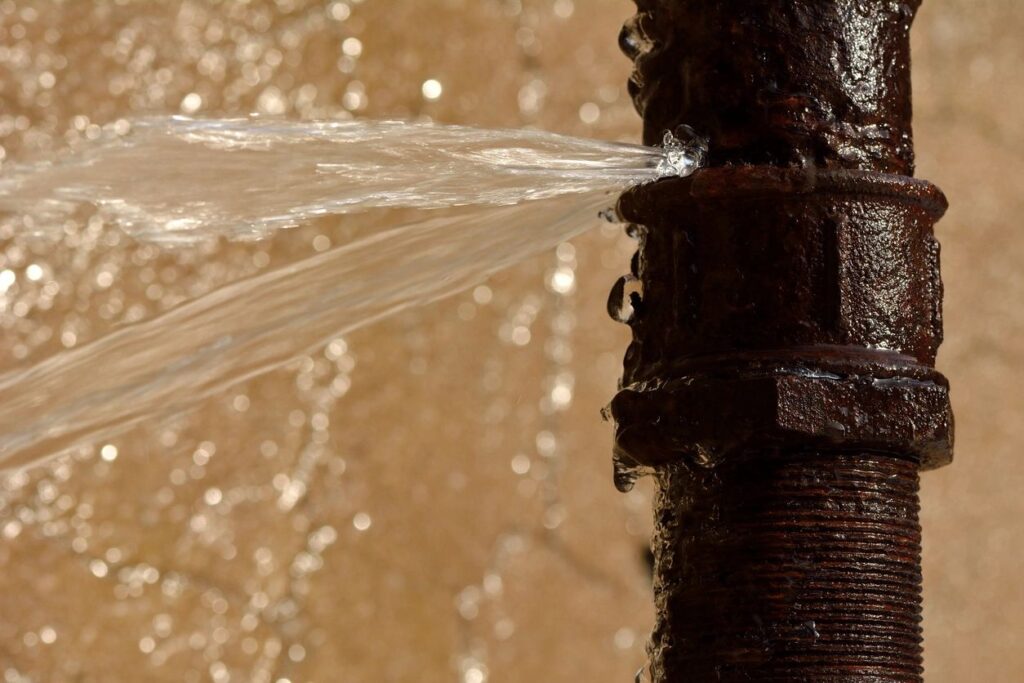
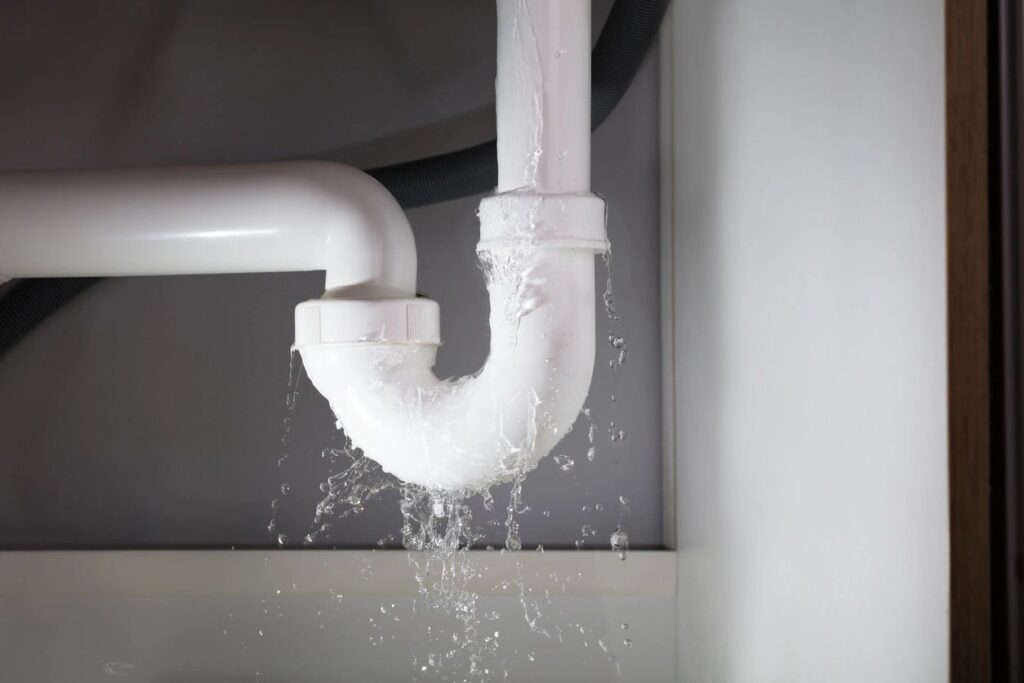
Dripping or spraying water from pipes
-
Water stains on ceilings or drywall
-
Bubbling or peeling paint
-
Damp or soft spots in flooring
-
Sudden drop in water pressure
-
Mold or mildew odors
-
Tile discoloration or grout cracking
-
Warping baseboards or cabinet bottoms
-
Unexpectedly high water bills
-
Rust around pipe joints or valves
If you see any of these signs, assume water has traveled farther than you can see.
What You MUST Document Before Calling Your Insurance Company
Insurance companies rely heavily on evidence and they expect you to provide it. Document everything before calling the insurer.
Identify and Photograph the Source of the Leak
-
Broken supply line
-
Burst pipe
-
Failed valve
-
Toilet tank failure
-
Appliance failure (washer, dishwasher, refrigerator line)
Important: Do NOT dispose of the broken part it’s evidence.
Take Photos of All Affected Areas
Include:
-
Walls
-
Ceilings
-
Cabinets
-
Flooring
-
Adjacent rooms
-
Crawlspaces and basements
-
Attics (for second-floor leaks)
Take wide shots, close-ups, and multiple angles.
Document the Timeline
Insurers will ask: “When did you first notice the leak?”
Write down:
-
When the signs appeared
-
When the water was stopped
-
When mitigation began
This helps prove it was sudden, not long-term.
Capture Moisture Levels (if possible)
Moisture meters, mitigation reports, or contractor notes strengthen the claim.
Save All Damaged Materials
Warped wood, soaked insulation, damaged drywall insurers often require inspection.
Keep Invoices for Emergency Mitigation
Tarping, water extraction, fans, dehumidifiers all can be reimbursed.
Common Mistakes That Lead to Claim Denials
Plumbing leaks are some of the most frequently denied claims because homeowners unknowingly make mistakes. Avoid:
-
Calling the insurance company before documenting the damage
-
Throwing away the broken supply line or pipe
-
Not stopping the leak right away
-
Letting the insurer call it “long-term seepage”
-
Failing to mitigate (dry out) quickly
-
Not capturing attic or crawlspace moisture
-
Letting the adjuster minimize the affected area
-
Allowing the insurer to repair instead of replace saturated materials
-
Not saving damaged flooring, cabinets, or drywall for inspection
A single misstep can shift the claim from “covered loss” to “denied maintenance issue.”
What’s Typically Covered Under Most Policies
While every policy differs, most standard homeowners policies cover:
Sudden and Accidental Water Discharge
Such as:
-
Burst pipes
-
Failed supply lines
-
Toilet overflow (clean water)
-
Appliance failures
-
Broken valves
-
Water heater ruptures
Resulting Damage
This includes:
-
Drywall
-
Insulation
-
Baseboards
-
Flooring
-
Cabinets
-
Electrical damage
-
Ceilings
-
Structural materials
Water Mitigation and Dry-Out
Fans, dehumidifiers, moisture testing, extraction, and mold prevention.
Mold Remediation (depending on policy)
Limited or capped coverage applies in many cases.
What’s Often NOT Covered And Why
Insurance companies look for any reason to shift responsibility back to the homeowner. They typically deny or reduce claims for:
Long-Term Leaks or Slow Seepage
If the adjuster claims “it didn’t happen suddenly,” they may deny it.
Poor Maintenance / Old Plumbing
Rust or corrosion may be cited as homeowner negligence.
Failed Caulking or Grout
Considered maintenance defects.
Sewer or Drain Backup
Covered only if you purchased a specific rider.
Replacing the Pipe Itself
Most insurers cover the damage caused by the leak, not the plumbing repair.
Personal Property Not Properly Documented
Furniture, clothing, and electronics must be individually listed.
This section helps you set expectations and avoid surprises.
When You Should Absolutely Call Elvis
Not every leak requires help but many do. You should contact Elvis immediately if:
-
Water reached multiple rooms
-
Flooring, cabinets, or walls are saturated
-
You suspect mold growth
-
The insurance company is calling it “long-term”
-
The leak traveled between floors
-
You see structural damage
-
A contractor says something “doesn’t look right.”
-
The insurer’s estimate seems too low
-
The adjuster wants to repair soaked cabinets or hardwood (which rarely works)
-
Damage occurred while you were away
-
You have an older home (insurers often blame age)
If repairs exceed a few thousand dollars, it’s almost always worth having a professional guide the claim.
Real Claim Examples
Burst Supply Line – Full Kitchen Rebuild
The insurer attempted to pay for repairs only. After documentation showed cabinet saturation, drywall moisture, and subfloor damage, full replacement was approved.
Second-Floor Leak – Insurer Missed Half the Damage
Water traveled down interior walls, affecting multiple rooms. Elvis documented all hidden moisture and ensured coverage for drywall, baseboards, and downstairs ceilings.
Washer Overflow – Initial Payment Tripled
The insurer offered $4,900. After identifying soaked vinyl flooring, water under walls, and cabinet damage, the settlement increased to $18,600.
How Elvis Helps You
Elvis handles:
-
Cause-of-loss evaluation
-
Documentation and photo strategy
-
Moisture mapping
-
Dry-out oversight
-
Full repair estimates
-
Negotiating with the adjuster
-
Challenging underpaid or denied claims
-
Ensuring code compliance upgrades
-
Preventing the insurer from minimizing the affected area
-
Protecting your rights at every step
This is the support homeowners wish they had before talking to their insurance company.